
Blog
Quick Answer
The hepatitis B vaccine protects against a serious liver infection spread through blood and body fluids. It is recommended for travellers who may have medical or dental treatment abroad, get tattoos or piercings, have sex with new partners, take part in contact or adventure sports, work in healthcare or stay for long periods in countries where hepatitis B is common. Most adults in the UK are not protected, as routine infant vaccination only began for babies born from August 2017. A full course is usually 3 doses, with accelerated schedules available if you are travelling soon, and most people who complete it are protected long term.
- Hepatitis B is spread through blood and body fluids, not food or water
- Risk comes mainly from what you do abroad, not just where you go
- Most UK adults born before August 2017 have not been routinely vaccinated
- Standard and accelerated schedules are available, including a 3-week option for adults
- The hepatitis B vaccine is not routinely free on the NHS for travel
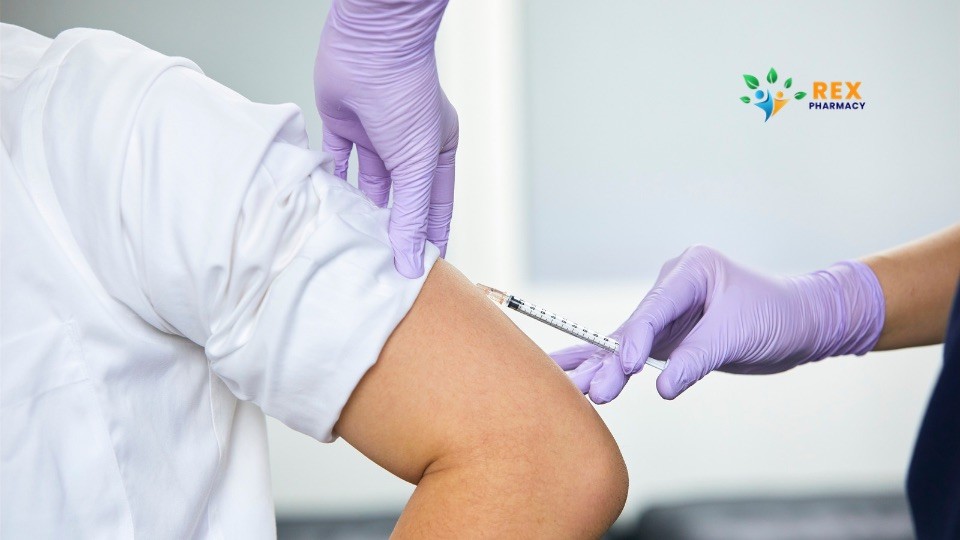
When most people think about travel health, they picture upset stomachs from street food or mosquito bites on a beach. Hepatitis B rarely makes the list, yet it is one of the most widespread serious infections in the world, and it is spread in ways many travellers never consider: a dental filling abroad, a holiday tattoo, a scooter accident or a new relationship. The good news is that the hepatitis B vaccine is safe, highly effective and gives long-lasting protection.
At REX Pharmacy, we often find that travellers are surprised to learn they are not already protected. This guide explains how hepatitis B is spread, which destinations and activities put you at higher risk, how the hepatitis B vaccine works, and how to fit a course around your travel plans. If you would like personal advice, our travel clinic in Rotherham can assess your trip and recommend the right schedule for you.
What Is Hepatitis B?
Hepatitis B is a virus that infects the liver. It is around 50 to 100 times more infectious than HIV, and it can survive outside the body on surfaces and equipment for at least 7 days, which is one reason it spreads easily where infection control is poor.
Many adults who catch hepatitis B have few or no symptoms at first, so they may not realise they are infected. When symptoms do appear, they can include:
- Tiredness and generally feeling unwell
- Loss of appetite, nausea and vomiting
- Pain in the upper right side of the tummy
- Jaundice, a yellowing of the skin and eyes
- Dark urine and pale stools
Most adults clear the infection within a few months. However, a smaller number develop chronic (long-term) hepatitis B. This is much more likely when infection happens in babies and young children. Over many years, chronic hepatitis B can lead to scarring of the liver (cirrhosis), liver failure and liver cancer. Because of this, prevention is far better than treatment, and vaccination is the most effective protection available. You can read more about the condition on the NHS hepatitis B page.
How Is Hepatitis B Spread?
Hepatitis B is spread when blood or body fluids from an infected person enter another person’s body. This can happen through:
- Unprotected sex with an infected person
- Medical, dental or cosmetic procedures using equipment that has not been properly sterilised
- Blood transfusions in countries where blood is not reliably screened
- Tattoos, piercings or acupuncture with unsterile needles
- Sharing razors, toothbrushes or nail scissors
- Sharing needles or other equipment for injecting drugs
- Contact between broken skin and infected blood, for example during an accident, fight or contact sport
- From mother to baby around the time of birth
Hepatitis B is not spread through food, water, coughing, sneezing, hugging, kissing on the cheek or sharing cups and cutlery. This is an important difference from hepatitis A, which is spread through contaminated food and water. The two infections are often confused, but they need different vaccines.

Why Are So Many UK Adults Unprotected?
In many countries, hepatitis B vaccination has been given to babies for decades. In the UK, it was only added to the routine childhood programme for babies born on or after 1 August 2017, as part of the 6-in-1 vaccine. Before that, it was only offered to specific higher-risk groups.
This means most UK adults, and children born before August 2017, have never been vaccinated against hepatitis B unless they had it for work, for a medical reason or before previous travel. If you are not sure whether you have had it, check your records or ask us at your appointment.
Destinations Where Hepatitis B Is More Common
Hepatitis B is found worldwide, including in the UK, but it is much more common in some regions. The more common it is in the local population, the greater the chance that any exposure to blood or body fluids could lead to infection.
| Region | Examples of destinations | Hepatitis B levels |
|---|---|---|
| Sub-Saharan Africa | Kenya, Tanzania, Nigeria, Ghana, Gambia, South Africa | High in many countries |
| East Asia and the Western Pacific | China, Vietnam, Philippines, Pacific islands | High in many countries |
| Southeast Asia | Thailand, Cambodia, Laos, Indonesia | Moderate to high |
| South and Central Asia | India, Pakistan, Bangladesh, parts of Central Asia | Moderate |
| Middle East and North Africa | Egypt, Turkey, parts of the Gulf region | Low to moderate |
| Eastern Europe | Parts of Eastern Europe and the Balkans | Low to moderate |
| Central and South America | Parts of the Amazon basin | Generally lower, with higher levels in some areas |
Levels vary within regions and change over time as vaccination programmes expand, so check up-to-date recommendations for your destination on TravelHealthPro. Your pharmacist will also take this into account during your consultation.
Activities That Put You at Higher Risk
With hepatitis B, what you do while you are away often matters more than where you go. A short beach holiday in a moderate-risk country may carry very little risk, while a trip to the same place that includes a dental implant or a new tattoo carries much more. The hepatitis B vaccine is particularly worth considering if your plans include any of the following.
Medical, Dental and Cosmetic Treatment Abroad
Travelling for cheaper dental work, hair transplants, cosmetic surgery or other procedures is increasingly popular. While many overseas clinics have excellent standards, infection control can vary, and you may not be able to check how equipment is sterilised. If you are planning any procedure abroad, the hepatitis B vaccine is strongly recommended, ideally with the full course completed before your treatment.
Accidents and Emergency Care
Road accidents are one of the leading causes of injury for travellers, particularly on scooters and motorbikes. If you are injured, you may need stitches, injections, surgery or even a blood transfusion in a local facility. Being vaccinated means one less thing to worry about if the unexpected happens.
Tattoos, Piercings and Acupuncture
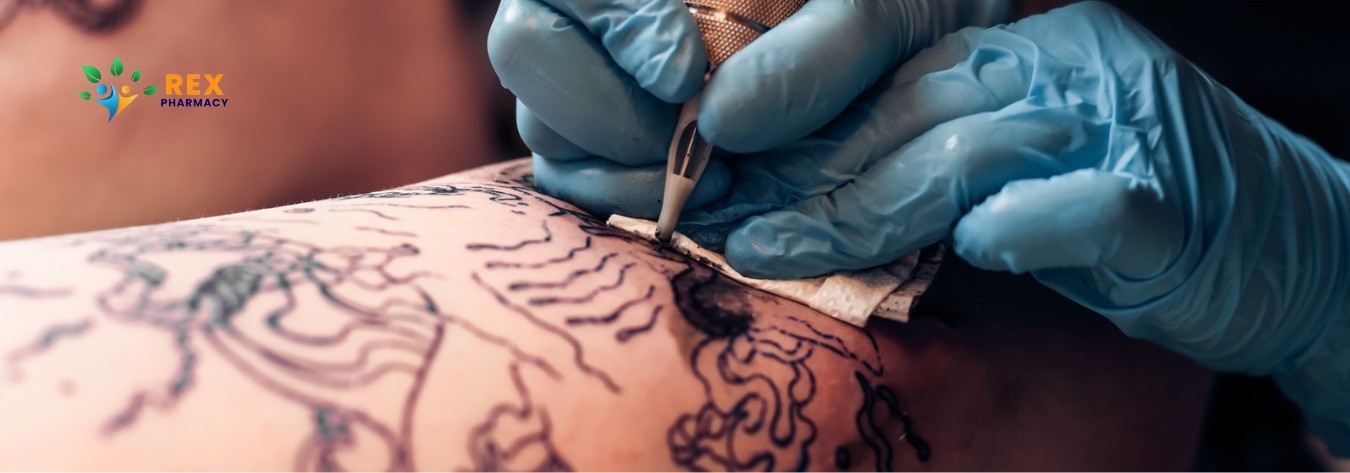
A holiday tattoo or piercing can be a lasting souvenir, but needles and ink that are not sterile can transmit hepatitis B. The same applies to acupuncture, cupping with skin breaks and some traditional treatments.
Sex With New Partners
Hepatitis B is easily spread through unprotected sex. Travel can mean meeting new people, and alcohol can make it easier to take risks. Condoms reduce the risk, but vaccination gives more reliable protection.
Contact and Adventure Sports
Rugby, martial arts, boxing, mountain biking and other activities where cuts and grazes are common can create a small risk of blood-to-blood contact.
Working or Volunteering
Healthcare workers, dental staff, medical students on placements, aid workers and volunteers in orphanages or care settings may come into contact with blood and body fluids, and should be vaccinated.
Long Stays and Frequent Travel
The longer you spend in a country where hepatitis B is common, and the more often you travel, the more likely you are to need healthcare or have other potential exposures. Expats, digital nomads, gap year travellers and frequent business travellers should all consider the vaccine.
Visiting Friends and Relatives
People travelling to visit family in countries where hepatitis B is common often stay longer, live as part of the local community and may be more likely to need local healthcare. This group is sometimes overlooked, but can benefit greatly from vaccination.
How the Hepatitis B Vaccine Works
The hepatitis B vaccine is an inactivated vaccine, which means it does not contain live virus and cannot cause hepatitis B. It works by teaching your immune system to recognise the virus and produce protective antibodies. In healthy adults who complete the course, it is highly effective.
There are several schedules, and the right one for you depends on how much time you have before you travel.
| Schedule | Doses | Best for |
|---|---|---|
| Standard | 3 doses at 0, 1 and 6 months | People planning well ahead or at ongoing risk |
| Accelerated | Doses at 0, 1 and 2 months, plus a fourth dose at 12 months | Travelling in around 2 to 3 months |
| Very rapid (adults only) | Doses at 0, 7 and 21 days, plus a fourth dose at 12 months | Travelling in around 3 to 4 weeks |
Some protection builds up after the first doses, but you need to complete the full course for long-term protection. If you are using an accelerated or very rapid schedule, the 12-month dose is an important part of the course, not an optional extra.
Combined Hepatitis A and B Vaccine
Many destinations where hepatitis B is a risk also carry a risk of hepatitis A. A combined hepatitis A and B vaccine is available, which can mean fewer injections overall. Your pharmacist will advise whether a combined or separate vaccine suits you best, depending on your travel dates and any vaccines you have had before.
Do I Need a Booster?
Most healthy people who complete a full course do not need routine boosters for travel. Healthcare workers and some people at ongoing or higher risk may have a blood test to check their response, and a booster may occasionally be advised. Your pharmacist will let you know if this applies to you. Full details of UK recommendations are set out in the UK Health Security Agency’s Green Book chapter on hepatitis B.
When Should I Start the Hepatitis B Vaccine?
Because the hepatitis B vaccine is given as a course, starting early gives you the most flexibility.
- 6 months or more before travel: you can complete the standard 3-dose course
- 2 to 3 months before travel: the accelerated schedule can be completed before you go, with a final dose at 12 months
- 3 to 4 weeks before travel: adults can usually complete the very rapid schedule, with a final dose at 12 months
- Less than 3 weeks: you can still start the course, which will give some protection, and finish it on your return
If you are having medical or dental treatment abroad, aim to complete at least the first three doses before your procedure.
Is the Hepatitis B Vaccine Safe?
The hepatitis B vaccine has been used worldwide for decades and has an excellent safety record. Side effects are usually mild and short-lived, such as:
- Soreness, redness or swelling where the injection was given
- Mild headache or tiredness
- A slight temperature
- Mild nausea
Because it is not a live vaccine, it can be given to most people, including those with weakened immune systems, although their response may be lower and they may need a blood test afterwards. It can also be given during pregnancy and breastfeeding where there is a clear risk of infection. Let your pharmacist know if you have had a severe allergic reaction to a previous dose or any vaccine ingredient.
Is the Hepatitis B Vaccine Free on the NHS?
The NHS provides the hepatitis B vaccine free of charge for some groups at increased risk, such as babies as part of the routine programme, close contacts of people with hepatitis B and some people with certain medical conditions. Sexual health clinics may also offer it to people at higher risk through sexual contact.
For travel, the hepatitis B vaccine is not usually provided on the NHS, so most travellers choose to have it privately. At our travel clinic in Rotherham, we can plan your hepatitis B course alongside any other vaccines and travel health needs for your trip, so everything is timed correctly in one joined-up plan.
Other Ways to Reduce Your Risk
Vaccination is the most effective protection, but these sensible steps help too:
- Use condoms with new partners
- Avoid tattoos, piercings and acupuncture unless you are confident equipment is sterile
- Research overseas clinics carefully if you are planning treatment abroad
- Do not share razors, toothbrushes or nail scissors
- Take extra care on scooters and motorbikes, and always wear a helmet
- Carry a small sterile medical kit if travelling to remote areas
- Make sure you have comprehensive travel insurance that covers medical treatment and repatriation
What to Do If You Think You Have Been Exposed
If you think you may have been exposed to hepatitis B, for example through unprotected sex, a needle injury or contact with someone else’s blood, seek medical advice as soon as possible, ideally within 48 hours. Treatment after exposure, which can include an urgent dose of vaccine and sometimes an antibody injection, works best when given quickly. This applies even if you have started your vaccine course.
Frequently Asked Questions
Do I need the hepatitis B vaccine for a short holiday?
Not always. For a short beach or city break with no planned medical treatment, tattoos or other risk activities, the risk is usually low. However, accidents can happen anywhere, and some travellers choose to be vaccinated for peace of mind. Your pharmacist can help you weigh up the risk for your trip.
How long does the hepatitis B vaccine last?
For most healthy people who complete a full course, protection is long-lasting and routine boosters are not needed for travel. Some people at ongoing risk, such as healthcare workers, may have a blood test to check their response.
I started a course years ago but never finished it. Do I have to start again?
Usually not. In most cases you can simply continue the course where you left off, without restarting. Bring any records you have to your appointment.
What is the difference between hepatitis A and hepatitis B?
Hepatitis A is spread through contaminated food and water, while hepatitis B is spread through blood and body fluids. They are different viruses that need different vaccines, although a combined vaccine is available for people who need protection against both.
Can I have the hepatitis B vaccine if I am pregnant?
Yes, where there is a clear risk of infection. It is an inactivated vaccine, and the risk to an unborn baby is considered to be very low. Always tell your pharmacist if you are pregnant or breastfeeding.
I am having dental work abroad in a month. Is there still time?
Yes. Adults can usually complete the very rapid schedule of 3 doses over 3 weeks, followed by a final dose at 12 months. Book as soon as possible so you can complete the first three doses before your treatment.
Protect Yourself Before You Travel
Hepatitis B is a serious infection, but it is also one of the most preventable. Whether you are planning dental work abroad, a long backpacking trip, volunteering overseas or simply want peace of mind, the hepatitis B vaccine offers reliable, long-lasting protection.
- Hepatitis B is spread through blood and body fluids, so your activities abroad matter
- Most UK adults have not been routinely vaccinated
- Accelerated schedules mean it is rarely too late to start
- A combined hepatitis A and B vaccine may reduce the number of injections you need
- Seek medical advice quickly if you think you have been exposed
Our team at REX Pharmacy is here to help you plan your vaccines and travel with confidence, wherever you are going.
You can also get in touch with us if you have questions about the hepatitis B vaccine or your travel plans.

