
Blog
Quick Answer
In the UK, the yellow fever vaccine can only be given at a registered Yellow Fever Vaccination Centre, and it is a private vaccine, not available free on the NHS. You can find a yellow fever vaccine near you using the official centre locator on the TravelHealthPro website. The vaccine must be given at least 10 days before you arrive in a country that requires a certificate, and for most people a single dose gives lifelong protection. Because most yellow fever destinations also carry other health risks, such as malaria, typhoid and rabies, it is worth booking a full travel consultation 6 to 8 weeks before you go.
- Yellow fever occurs in parts of sub-Saharan Africa and Central and South America
- Only registered Yellow Fever Vaccination Centres can give the vaccine and issue certificates
- Have the vaccine at least 10 days before arrival for your certificate to be valid
- One dose protects most people for life, and the certificate is valid for life
- The vaccine is not suitable for everyone, so a health check beforehand is essential
If you are planning a safari in Kenya, a trip to the Amazon or an adventure through parts of West Africa or South America, yellow fever is likely to be on your travel checklist. Many travellers start by searching “yellow fever vaccine near me”, only to discover that this vaccine works differently from most other travel jabs. It can only be given at specially registered centres, it often comes with a certificate you may need to show at the border, and timing really matters.
At REX Pharmacy, we help travellers across Rotherham prepare for trips to yellow fever areas every week. This guide explains what yellow fever is, who needs the vaccine, how to find a yellow fever vaccine near you, what to expect from the certificate, and the other protection you are likely to need for the same trip. If you would like personal advice, our travel clinic in Rotherham can look at your full itinerary and help you plan everything in good time.
What Is Yellow Fever?
Yellow fever is a viral infection spread by the bite of infected mosquitoes, mainly the Aedes species, which bite during the day. It is found in parts of sub-Saharan Africa and Central and South America. It does not occur in the UK, Europe, Asia or Australia.
Symptoms usually appear 3 to 6 days after being bitten. Many people have a mild, flu-like illness with a high temperature, headache, muscle aches, nausea and loss of appetite, and recover within a few days. However, some people go on to develop a severe form of the disease, which can cause:
- Jaundice, a yellowing of the skin and eyes, which gives the disease its name
- Bleeding from the mouth, nose, eyes or stomach
- Liver and kidney failure
- Death in a significant proportion of people who develop severe illness
There is no specific antiviral treatment for yellow fever, so prevention through vaccination and bite avoidance is essential.
Who Needs the Yellow Fever Vaccine?
There are two main reasons you might need the yellow fever vaccine: to protect your health in a risk area, and to meet a country’s entry requirements.
To Protect Your Health
The vaccine is recommended for travellers aged 9 months and over visiting areas where yellow fever is present. Popular destinations with yellow fever risk in some or all areas include:
- East Africa: Kenya, Uganda and parts of Tanzania and Ethiopia
- West and Central Africa: Ghana, Nigeria, Gambia, Senegal, Cameroon and others
- South America: Brazil, Peru, Colombia, Ecuador, Bolivia and others, particularly Amazon and jungle regions
- Central America and the Caribbean: Panama and Trinidad, in certain areas
Within some countries, risk is limited to certain regions, so your exact itinerary matters. For example, a city break in one area may carry no risk, while a jungle trek in the same country does.

To Meet Entry Requirements
Some countries require all travellers to show a valid yellow fever certificate on arrival. Others only require it if you are arriving from, or have transited through, a country with yellow fever risk. Transit rules can catch people out, so if your flight connects through an African or South American airport, check the requirements for your final destination carefully.
You can check country-specific recommendations on TravelHealthPro, and entry requirements on the UK government foreign travel advice pages. Requirements can change, so check close to your travel date as well as when you book.
Finding a Yellow Fever Vaccine Near Me
Unlike most travel vaccines, yellow fever vaccine can only be given at a registered Yellow Fever Vaccination Centre (YFVC). This is because of international health regulations: registered centres must meet strict standards and are the only places that can issue the official International Certificate of Vaccination or Prophylaxis (ICVP).
The easiest way to find a yellow fever vaccine near you is to use the official Yellow Fever Vaccination Centre locator from the National Travel Health Network and Centre (NaTHNaC), which lets you search for registered centres in England, Wales and Northern Ireland.
When choosing where to go, it helps to look for a service that can:
- Assess your whole trip, not just yellow fever
- Check whether the vaccine is safe for you, based on your age and health
- Plan the yellow fever vaccine around any other vaccines you need
- Advise on malaria prevention, which is a major risk in most yellow fever areas
- Provide practical advice on mosquito bite avoidance
Our travel clinic in Rotherham can help with all of your wider travel health planning for a yellow fever destination, including your risk assessment, other recommended vaccines and antimalarials, and can advise you on arranging your yellow fever vaccination at a registered centre.
Use Our Travel Vaccine Finder
Not sure whether your destination needs yellow fever protection, or what else you might need? Use our travel vaccine tool below for a quick overview by country. Your final recommendations will always be based on a personal consultation.
How the Yellow Fever Vaccine Works
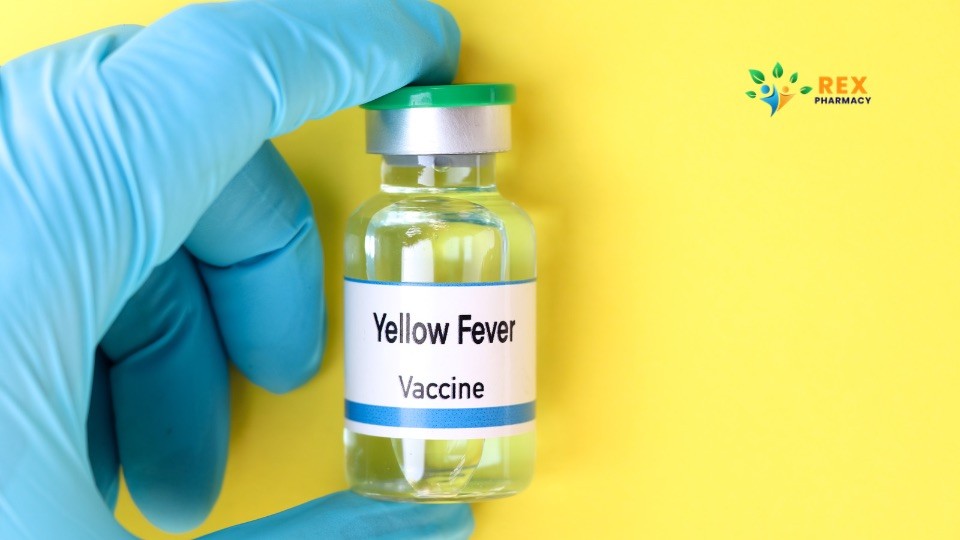
The yellow fever vaccine is a live, weakened (attenuated) vaccine given as a single injection. It is highly effective, and for most people one dose gives lifelong protection.
| Key fact | What you need to know |
|---|---|
| Type of vaccine | Live, weakened vaccine given as a single injection |
| Minimum age | Usually 9 months and over; younger babies only in exceptional circumstances on specialist advice |
| When to have it | At least 10 days before arrival, ideally as part of a consultation 6 to 8 weeks before travel |
| How long it lasts | Lifelong for most people, though a booster may be advised for some groups |
| Certificate | International Certificate of Vaccination or Prophylaxis (ICVP), valid for life from 10 days after vaccination |
| NHS or private? | Private only, from registered Yellow Fever Vaccination Centres |
Do I Need a Booster?
Since 2016, international regulations have recognised a single dose of yellow fever vaccine as giving lifelong protection, and certificates are valid for life. However, UK guidance advises that some people may benefit from a further dose if they are travelling to a risk area again, for example if they were first vaccinated while pregnant, under 2 years of age, or while living with certain conditions affecting the immune system. Your vaccinator will advise you if this applies.
Your Yellow Fever Certificate
After vaccination, you will receive an International Certificate of Vaccination or Prophylaxis, often called a "yellow card" because of its colour. This is an official document, and you may be asked to show it at the border.
- The certificate becomes valid 10 days after your vaccination
- It is valid for life, including older certificates that originally showed a 10-year expiry date
- Keep it with your passport and take a photo of it as a backup
- If you lose it, a registered centre may be able to issue a replacement if you have proof of your original vaccination
- Travellers who cannot have the vaccine for medical reasons may be given a medical exemption letter, although some countries may not accept it
Arriving without a valid certificate when one is required can mean being refused entry, being vaccinated at the border or being placed in quarantine, so it is worth getting this right well before you travel.
Who Should Not Have the Yellow Fever Vaccine?
Because it is a live vaccine, the yellow fever vaccine is not suitable for everyone. This is why a careful health assessment is always carried out before vaccination. The vaccine is usually not given to people who:
- Have a weakened immune system due to illness or treatment, such as chemotherapy, high-dose steroids or certain medicines for autoimmune conditions
- Have a disorder of the thymus gland, or have had their thymus removed
- Have had a severe allergic reaction to a previous dose or any vaccine ingredient, including a severe allergy to eggs
- Are under 6 months of age
Extra care and a careful balance of risks and benefits are needed for:
- People aged 60 and over, as rare but serious side effects are more common in this age group
- Pregnant women, who are usually advised to avoid the vaccine unless travel to a high-risk area cannot be postponed
- Breastfeeding mothers, particularly of babies under 9 months
- Babies aged 6 to 9 months
If you cannot have the vaccine, your travel health professional can discuss whether to postpone travel to high-risk areas, how to reduce your risk of bites, and whether a medical exemption letter is appropriate.
Side Effects
Most people have no problems or only mild side effects, which usually appear a few days after vaccination and settle quickly. These can include:
- Soreness or redness where the injection was given
- Headache
- Muscle aches
- A mild temperature or feeling generally unwell
Very rarely, the vaccine can cause serious reactions affecting the nervous system or major organs. These are more common in older adults and people with thymus problems, which is why the pre-vaccination health check is so important. Seek medical advice promptly if you feel very unwell after vaccination.
Planning Your Trip: More Than Just Yellow Fever
Most destinations with yellow fever risk also carry other important health risks. When people search for a yellow fever vaccine near them, it is often the first step in a bigger picture of travel preparation. Depending on your trip, you may also need:
- Malaria prevention: malaria is a serious risk across much of sub-Saharan Africa and parts of South America; there is no vaccine for UK travellers, so antimalarial tablets and bite avoidance are essential
- Hepatitis A and typhoid: spread through contaminated food and water
- Diphtheria, tetanus and polio booster: if your last dose was over 10 years ago
- Rabies: recommended for many travellers, especially those spending time near animals or in remote areas
- Meningitis ACWY: for parts of the African "meningitis belt", especially in the dry season
- Hepatitis B: for longer stays or higher-risk travel
Planning all of this together helps you avoid gaps in protection and makes sure each vaccine is timed correctly. For example, the yellow fever vaccine and certain other live vaccines, such as MMR, need to be planned carefully, so it is best to have one professional overseeing your whole schedule.
At our travel clinic in Rotherham, we take a joined-up approach: we look at your full itinerary, check your vaccination history and create one clear plan covering every vaccine and medicine you need for the trip.
When Should I Book?
For a trip to a yellow fever area, book your travel health appointment 6 to 8 weeks before you leave. This gives time to:
- Arrange your yellow fever vaccine at least 10 days before arrival
- Complete courses such as rabies or hepatitis B, which need several weeks
- Start any antimalarials at the right time before travel
- Space live vaccines correctly where needed
If your trip is sooner than this, do not worry. Contact us as soon as possible and we will help you get as much protection as you can before you go.
Protecting Yourself From Mosquito Bites
Even after vaccination, avoiding mosquito bites is one of the best ways to stay healthy in yellow fever areas, as the same mosquitoes can spread dengue and chikungunya, and other mosquitoes spread malaria.
- Use an insect repellent containing 50% DEET, applied after sun cream
- Remember that the mosquitoes that spread yellow fever bite during the day
- Wear loose, long-sleeved tops and long trousers
- Stay in accommodation with screens or air conditioning where possible
- Sleep under a mosquito net treated with insecticide
Frequently Asked Questions
Is the yellow fever vaccine free on the NHS?
No. The yellow fever vaccine is a private vaccine and is only available from registered Yellow Fever Vaccination Centres, which charge for it.
How do I find a yellow fever vaccine near me?
Use the official Yellow Fever Vaccination Centre locator on the TravelHealthPro website, run by NaTHNaC. It shows registered centres across England, Wales and Northern Ireland. Our team can also help you plan your wider travel health needs alongside your yellow fever vaccination.
How long before travel do I need the yellow fever vaccine?
At least 10 days before you arrive, as this is when your certificate becomes valid and protection develops. Ideally, book a full travel consultation 6 to 8 weeks before departure so you have time for any other vaccines.
My old yellow fever certificate shows an expiry date. Is it still valid?
Yes. Since 2016, yellow fever certificates are valid for life, including older certificates that originally showed a 10-year expiry. A further dose may still be recommended for some people for health reasons, so check with a travel health professional.
Can I have the yellow fever vaccine if I am over 60?
Often, yes, but extra care is needed because rare serious side effects are more common in older adults. Your vaccinator will weigh your risk of yellow fever on your trip against the risks of the vaccine before deciding.
What happens if I cannot have the vaccine?
You may be given a medical exemption letter, although not all countries accept it. You will also be advised on how to reduce your risk of bites and whether travel to high-risk areas should be reconsidered.
Plan Your Yellow Fever Trip With Confidence
Searching for a yellow fever vaccine near you is a great first step towards a safe trip. Remember that the vaccine can only be given at registered centres, needs to be given at least 10 days before arrival, and is just one part of protecting yourself in yellow fever areas.
- Find a registered Yellow Fever Vaccination Centre using the official NaTHNaC locator
- Have the vaccine at least 10 days before arrival
- Keep your certificate safe with your passport
- Plan malaria prevention and other vaccines for the same trip
- Book your travel health appointment 6 to 8 weeks before you go
Our team at REX Pharmacy is here to help you prepare for your trip, with personalised advice and a clear plan for everything you need before you travel.
You can also get in touch with us if you have questions about travelling to a yellow fever area.

